Why We Built Donna: My Grandpa, the Detroit Tigers, and the Small Things That Slip
Donna started as Tigers game reminders for my grandpa. Here's why my co-founder David and I built an over-the-phone assistant for older adults, and what it's for.

· 7 min read
The short version
- My co-founder David and I built Donna with our own grandparents in mind.
- In loving families, the big stuff mostly gets handled. It's the small, human things that quietly slip through the cracks.
- Donna started as a call to remind my grandpa the Detroit Tigers were about to play. It worked, and we've really grown from there.
- Donna is one extra touchpoint in a senior's day. She's never meant to replace the people who love them.
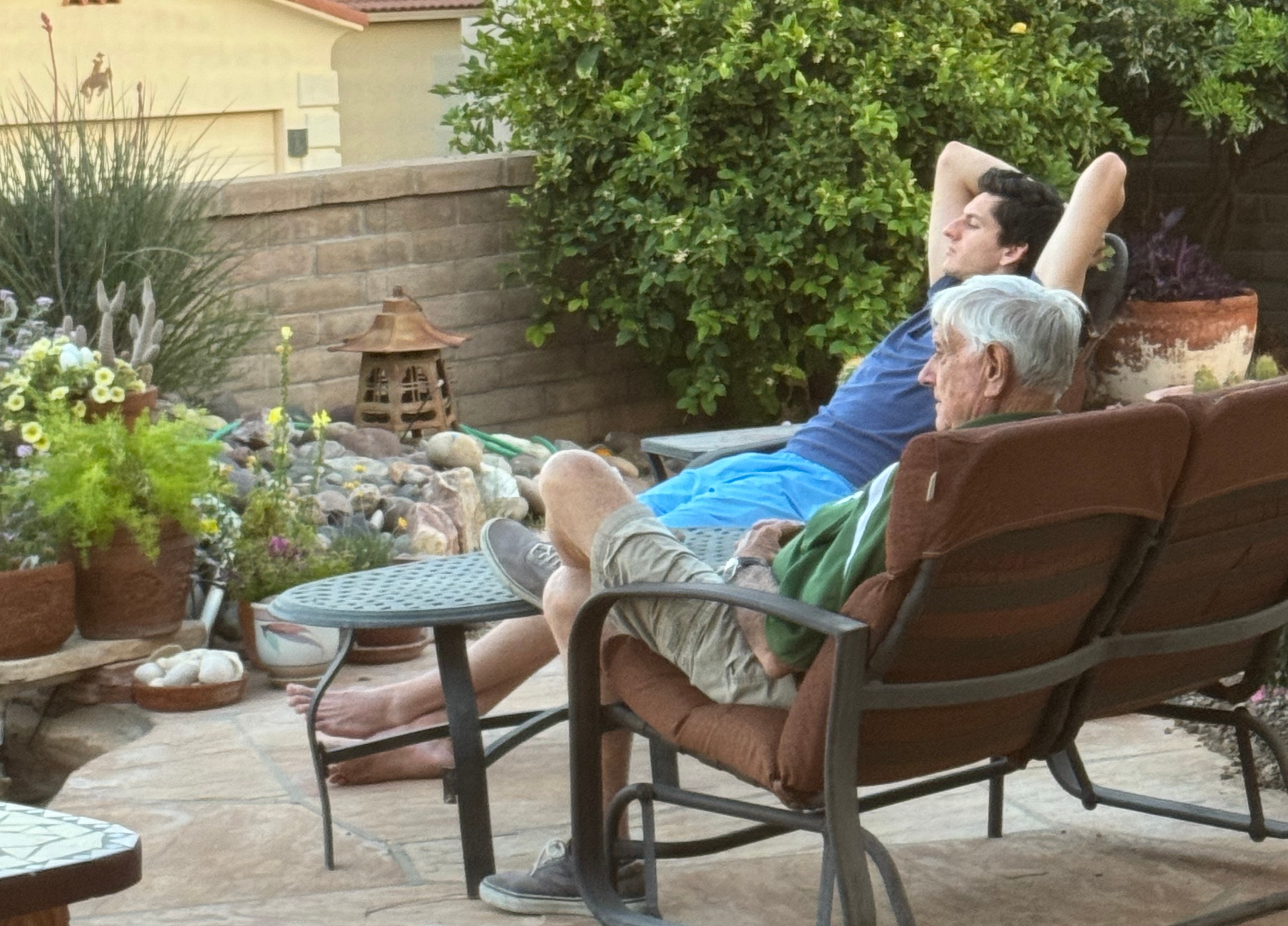
My co-founder and good friend David and I built Donna with our own grandparents in mind. This is the story of how it started, what we've noticed along the way, and what we think Donna is (and isn't) for.
Why did we start Donna?
We started Donna because, even in close, loving families, small but important things slip through the cracks for aging parents and grandparents. The big stuff mostly gets handled (albeit not without struggle and effort at times). It's the little, human things that quietly go missing more easily, and we wanted to build something simple that helps fill those cracks.
I've seen what an awesome family caregiver looks like. For years, my mom has dedicated a huge chunk of her life to making sure her parents are well taken care of. Always on the phone, traveling, coordinating caregivers. It really is like a job, and in that job she's the model employee. David watched the same thing growing up. Our moms took on so much caring for our grandparents: coordinating rides, managing paperwork and finances, decluttering houses, all while trying to keep their true relationship as a daughter.
They crushed it. Full stop. And yet, every now and then, something small but important would get missed…
What slips through the cracks, even in close families?
It usually isn't the finances or the doctors. It's the favorite show that went unwatched, the team they fell out of touch with but still love, or the rare day when everyone is busy and a grandparent goes from sun-up to sun-down without really talking to anyone. None of these are emergencies. But they're the things that make a day feel like a good day.
Between my mom, my uncles, and paid caregivers, my grandpa was (and is!) well looked after. The hard, meat-and-potatoes, big 'C' caregiving stuff was covered. But it still felt like something was missing. Not a must-have. Just something.
That's the part that stuck with me.
How did a Tigers game turn into Donna?
A year ago, my mom, my uncles, and I all would call my grandpa to remind him about Tigers games that day. But the Tigers play over 160 games a year at all different times. We had three people who love him, taking turns trying to make sure he watched the games, yet he/we still missed most of them. Some small things are genuinely hard for a family to cover, no matter how much you care.
David and I set out to build something that could help, and after a whole lot of ideating and more craziness (full backstory to come in another post!), the early version of Donna was born.
Now, Donna keeps up. Today, my grandpa gets a call a few minutes before the first pitch of every game, on his home phone, and he's hardly missed one since. Donna tells him what channel to watch on, who they're playing, and sometimes they just have a chat. And the best part isn't the reminder itself. It's that when we talk to him now, we get to chat about how the Tigers are doing instead of "did you watch?" and "no, I forgot it was on." This season he watched way more games and was so much more tapped in than in years past - seeing him more connected to the team again felt so good.
Once it started working for him, we began to grow it from there.
What does Donna actually do?
Donna is a digital assistant that calls older adults on the phone they already have, cell or landline, for a fun chat, the reminders their family sets, and updates on the things they care about. After each call, the family gets a short recap in the app. There's nothing for the older adult to download, learn, or charge. They just answer and talk.
Day to day it's simple, on purpose:
- Donna calls on the schedule you set. Daily, a few times a week, whatever fits your family.
- She works in the little reminders you choose. The Tigers game at 7, the Oscars tonight, mahjong at 10 with a ride at 9:30.
- She remembers. Donna keeps track of what you talked about last time, so the calls build on each other. After a week or two, it stops feeling like an interview and starts feeling like she actually knows you.
- Users can call Donna too, whenever they feel like talking.
- You stay in the loop with a short recap of each call in the app.
We have dozens of beta users who love Donna, and one of my favorite things to watch is how differently people use it. Some folks want their reminder and a quick check-in, then they're off. Others love to stay on and chat. There's no right way to use Donna.
Is Donna a replacement for family?
No, and this is the thing I care about most. Human connection means far more to an older adult than any piece of technology. Donna is one extra touchpoint in the day, on top of the people who already love them, for the quiet stretches when family and caregivers just can't be there.
The way I think about it, the goal is to make the real conversations better, not stand in for them. Say you talk to your mom every Monday, you both love the Oscars, and she's gotten a little forgetful. Would you rather spend that Monday call talking about the award show you both watched, or asking her "did you see it?" and hearing "oh, I didn't realize it was on"? If Donna calls Sunday to remind her it's airing, you get the first version.
We're also upfront about what Donna is. Before any regular calls start, there's a consent call where Donna introduces herself, explains that she's an AI, and your parent decides whether they want the calls. We never sneak her in or pretend she's a person. Older adults deserve that honesty, and it works better when everyone's on the same page.
Surviving vs. thriving: what I wish more families talked about
Once the big 'C' stuff is handled, a lot of families get stuck on the next question: what helps a parent aging in place actually enjoy their days, not just get through them? There's no single right answer, and if you're stumped, it's not a "you" problem.
I definitely wouldn't call myself a caregiving expert. Take this as one guy's observation. But I keep coming back to how much the little things matter. Families rightly pour their energy into finances, doctors, and keeping mom or dad safe. That's hard, scary work, and it's table stakes. It's infrastructure.
Once that's somewhat under control, then what? That's where so many caregivers I talk to feel stuck. "How do I get better at supporting with the 'little c' stuff?!?" Donna is our attempt to help with a piece of that. It's only a fraction of what most seniors need, but it's the piece we can do really well. And we already see it making an impact.
Why now?
Donna only became possible recently. For it to work, she has to hold a real, natural phone conversation, remember what was said last time, and do it reliably on a normal phone call. Until recently, voice technology just couldn't do that in a way that felt good.
At the same time, the need keeps growing. There are more older adults than ever, many live alone, and their kids are often busy and in another city. The phone is the one piece of technology nearly every older adult is already comfortable with. The missing piece was never the device. It was software that could hold up its end of the conversation.
For me personally, spending time with my grandpa in person and then living on opposite coasts made the problem very clear. Having a great friend like David thinking about the same problem for his grandma, and being deeply technical, lined everything up for us to take a real shot at it.
Where did the name Donna come from?
A lot of people assume it's from the TV show Suits. Honestly, I just spent a few hours trying to think of names that sounded like a helpful assistant and that the older people in my life would like the sound of. Donna felt the best. I have watched some Suits, though, and Donna is an awesome assistant in that show, which only makes us feel better about the choice.
What's next
We're building Donna with families, one conversation at a time. If you want to see what it sounds like, you can call Donna yourself at (442) 212-1723, or read more about how the calls work.
Thanks for reading. If you're caring for an aging parent or grandparent and have thoughts on what slips through the cracks for your family, I'd genuinely love to hear them: nick@calldonna.co.
Frequently asked questions
Who founded Donna?
Donna was founded by Nick Mehdi and David Zuluaga, good friends from college who both wanted to build something for their own grandparents. The company behind Donna is Call Donna, Inc.
What is Donna?
Donna is a digital assistant that calls older adults on the phone they already have, cell or landline, for fun conversations and the reminders their family sets. After each call, the family gets a short recap in the Donna app.
Does my parent need a smartphone or an app?
No. Your parent just answers a regular phone call. The family sets everything up in the Donna app on an iPhone, and the senior never has to download or learn anything.
Is Donna meant to replace calls from family?
No. Donna is one extra touchpoint on top of the calls and visits your parent already gets. The goal is to make the real conversations better, for example so you can talk about the game or the show you both watched instead of hearing that they forgot it was on.
Keep reading
Donna on EnhDme's Heart of the Home
EnhDme featured Donna in its Heart of the Home caregiver series. Here's what we talked about, who EnhDme is, and a 10% code they offered for Donna families.
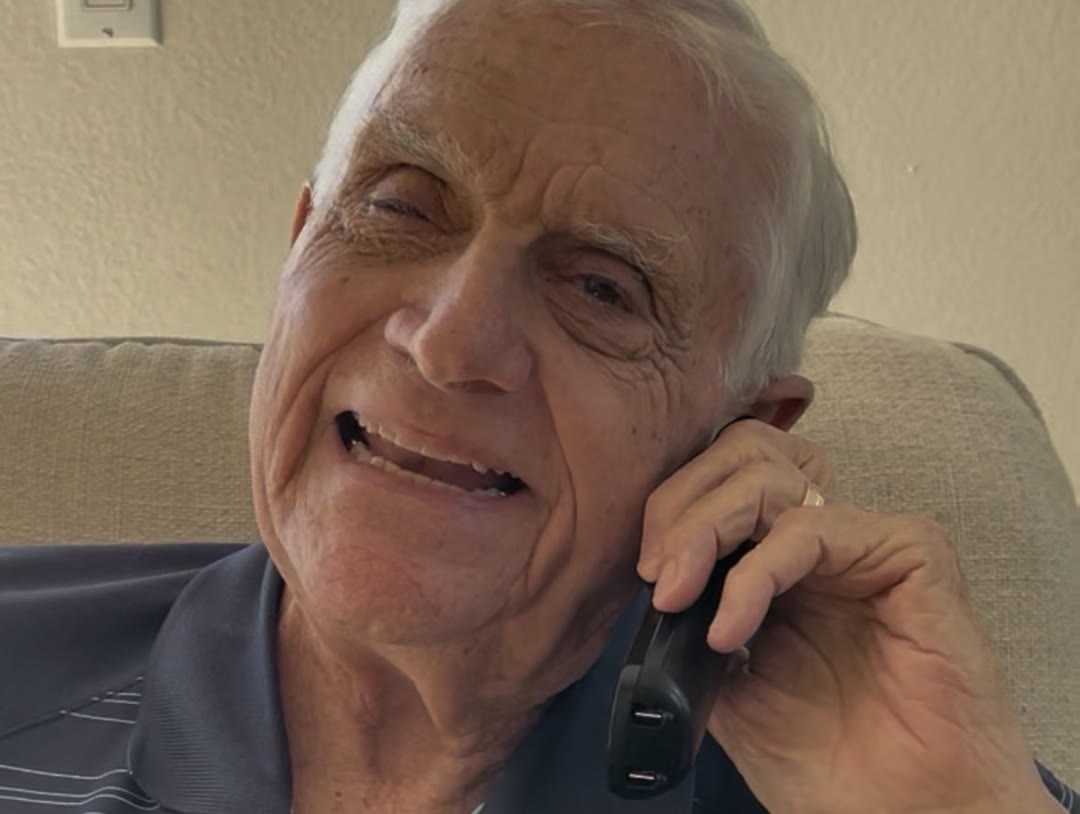
Can AI Help Aging Parents Stay Independent Without Replacing Family? My Conversation with Jeanette Yates
I joined Jeanette Yates on From Guilt to Good to talk about my grandpa, the Tigers, and how a phone call can fill the small cracks without replacing family. Listen and read the highlights.
How to Get Paid to Be a Caregiver for Your Mom or Dad (2026 Guide)
Yes, you can get paid to care for a parent. Every state has a Medicaid program that pays family caregivers, and there are veteran, insurance, leave, and tax routes too. How each works, what it pays, and how to start.