Can AI Help Aging Parents Stay Independent Without Replacing Family? My Conversation with Jeanette Yates
I joined Jeanette Yates on From Guilt to Good to talk about my grandpa, the Tigers, and how a phone call can fill the small cracks without replacing family. Listen and read the highlights.

· 5 min read
The short version
- I was a guest on From Guilt to Good, Jeanette Yates's podcast for family caregivers.
- We talked about the guilt of calls with a parent turning into logistics, and the small things that slip even in devoted families.
- My answer to the episode's question: yes, AI can help, as long as it adds to family connection and never replaces it.
- We also got into consent, privacy, and why doing onboarding the right way is harder.
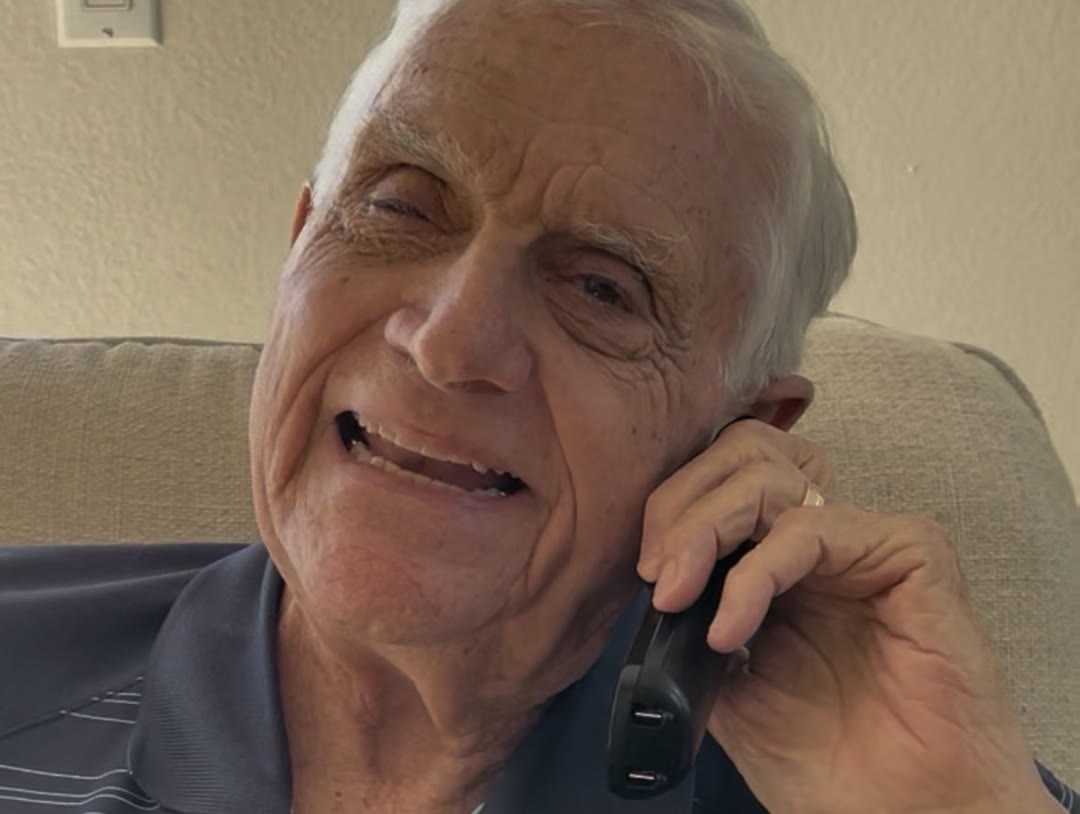
A few weeks ago I got to sit down with Jeanette Yates on her podcast, From Guilt to Good. Jeanette has been a caregiver since she was nine years old, wrote the book From Guilt to Good Enough, and now helps family caregivers set boundaries and find tools they can trust. She was also one of the first people in the caregiving world to take Donna seriously, and she has been generous with her time and advice ever since. She asked better questions about Donna than I usually ask myself, so I wanted to share the conversation here along with the parts that stuck with me.
Listen to the episode (28 minutes): Buzzsprout, Apple Podcasts, or Spotify.
Can AI help aging parents stay independent without replacing family?
Yes, if it's built as an extra touchpoint and not a substitute. The way I put it to Jeanette: if you talk to your mom every Monday and you get Donna, I do not want you to stop talking on Monday. Donna's job is to make that Monday call better.
The example I always come back to is the Oscars. Say you and your mom both love them, and she's gotten a little forgetful. You call on Monday and one of two things happens. Either she watched and you get to talk about who won and who got robbed, or you ask how she liked it and she says, "Oh, I didn't realize they were on." If Donna calls her Sunday afternoon to say the show's about to start, you get the first conversation.
As I said on the show, "It's meant to be an incremental touchpoint to all the social connection you're getting, whether that's from family or a paid caregiver or friends. It's extra."
What's the guilt that never makes it onto a care plan?
Jeanette opened the episode with a kind of guilt I think a lot of caregivers will recognize: hanging up with your parent and realizing the whole call was logistics.
In her words: "There is a particular kind of guilt that never makes it onto any care plan... It's hanging up the phone with your mother or father and realizing the whole call was logistics."
I didn't set out to fix caregiver guilt. I set out to fix something a lot smaller: my grandpa, a lifelong Detroit Tigers fan, kept missing games because a lot of times he didn't realize they were on. But I think the two are connected. When the small stuff is handled, your calls get to be about each other again.
Why a phone call instead of a notification?
Because a buzz on a screen and a conversation are different things, especially for someone who doesn't live on a smartphone. We'd tried the other routes with my grandpa, but they weren't clicking.
What I told Jeanette: "There's a difference between a reminder buzzing and something that's going to actually chat him through it: this is how you'd set it up, this is how the team's doing, and just get you locked back in."
What's the difference between surviving and thriving?
Surviving is the hard, scary infrastructure of caregiving: finances, health, a safe home. Thriving is what you do once that's in place, the stuff that makes a day worth looking forward to. Families work incredibly hard on the first part, and a lot of them feel stuck on the second.
I don't think there's one good answer to it, and I said so on the show. Time with real people matters most. My hope for Donna is smaller: that she keeps someone in touch with the things they care about, their team, the news, what's on tonight, so they feel a little more a part of what's going on when they talk to the people in their life.
What is getting to know Donna like?
A little like dating. The first call or two can feel a bit like an interview, and then it clicks.
Setting it up takes some effort, like planning a first date. The first few calls, Donna asks more questions than usual, and for a lot of older adults it's the first time they've ever talked to an AI. There might be an awkward moment or two, they may talk over each other, and so on. But after a handful of calls, Donna knows what you like and how you talk, and it starts to feel like something that knows you and is thoughtful about you. The families who stick with it through those first calls pretty much have all ended up loving it.
How do consent and privacy work?
Before Donna ever calls regularly, she makes a consent call. She explains that she's an AI assistant set up by the family, and the senior decides whether they want the calls. Nothing starts until they say yes.
Jeanette pushed on this, and I'm glad she did. A consent call makes signing up slower, and every app expert will tell you to make onboarding extremely efficient. We lose some families at that step, because they have to get their parent on the phone to approve it. I told her, "It's harder to do it this way, but it's the way we think it's right to do it." An older adult should feel like Donna is something for them, not something being pushed on them.
Jeanette's response is one I've thought about since: "Sometimes the right thing isn't the easy thing."
What I'd say to any caregiver listening
Jeanette ended by asking what I'd want caregivers to walk away with. I've never been the full-time caregiver in my family, so take this from someone who's more like the fun uncle of caregiving. But here's what I said, and I still mean it:
If you've got the hard stuff somewhat under control and now you're asking how to help your parent really enjoy life, that's an even more open-ended question, and you're definitely not alone in it. There are no perfect answers. The best you can do is totally enough.
What's in the episode
- 00:00 When caregiving conversations become logistics
- 01:34 Watching a parent become a long-distance caregiver
- 02:56 The missed baseball games that started everything
- 05:41 Why older adults may need more than a notification
- 06:28 Finding a co-founder and developing the idea
- 08:03 Why voice AI became possible now
- 09:48 What Donna actually does
- 11:21 How older adults build rapport with AI
- 13:26 Surviving versus thriving in older age
- 15:32 Supporting human connection instead of replacing it
- 17:50 Why small reminders fall through the cracks
- 19:20 Privacy and who can access conversations
- 21:22 Giving older adults control and consent
- 22:27 Why ethical onboarding takes longer
- 24:13 How families can try Donna
- 26:14 A final message for caregivers
About Jeanette and From Guilt to Good
From Guilt to Good is a podcast offering support for caregivers along with care technology they can trust, with practical guidance on burnout, boundaries, and guilt. Jeanette Yates is a caregiver advocate, speaker, and the author of From Guilt to Good Enough. You can find her at jeanetteyates.com, listen to the podcast, and read her newsletter, The Self-Caregiver. If you care for a parent, she is worth your time. Thank you, Jeanette, for having me, for backing Donna early, and for the work you do for caregivers!
Frequently asked questions
Where can I listen to Nick Mehdi's episode of From Guilt to Good?
The episode, "Can AI Help Aging Parents Stay Independent Without Replacing Family? With Nick Mehdi," is Season 4, Episode 22 of From Guilt to Good with Jeanette Yates, published August 10, 2026. It's available on Buzzsprout, Apple Podcasts, and Spotify.
Can AI replace family for an aging parent?
No, and it shouldn't try. Human connection means more to an older adult than any technology. Donna is designed as one extra touchpoint, on top of calls and visits from family, that keeps a parent in touch with the things they care about so family conversations can be about connecting.
What is Donna?
Donna is an over-the-phone assistant for older adults. She calls a senior on the phone they already have, cell or landline, for a friendly chat and the reminders their family sets, and the family gets a short recap in the Donna app after each call.
Does an older adult have to agree to get calls from Donna?
Yes. Before regular calls begin, Donna makes a consent call, explains that she is an AI assistant set up by their family, and asks whether they'd like her to call. Regular calls only start once they say yes.
How can I try Donna?
You can call Donna yourself at (442) 212-1723 to hear what she sounds like, or download the Donna app from the App Store to set up calls for a parent. Donna is free to use right now, no credit card required.
Keep reading

Why We Built Donna: My Grandpa, the Detroit Tigers, and the Small Things That Slip
Donna started as Tigers game reminders for my grandpa. Here's why my co-founder David and I built an over-the-phone assistant for older adults, and what it's for.

Daily Check-In Calls for Seniors: Every Option, Free and Paid (2026)
Free police and county check-in call programs, volunteer friendly calls, check-in apps, medical alerts, and Donna: how each one works, what it costs, and who it's for.

Donna on EnhDme's Heart of the Home
EnhDme featured Donna in its Heart of the Home caregiver series. Here's what we talked about, who EnhDme is, and a 10% code they offered for Donna families.